

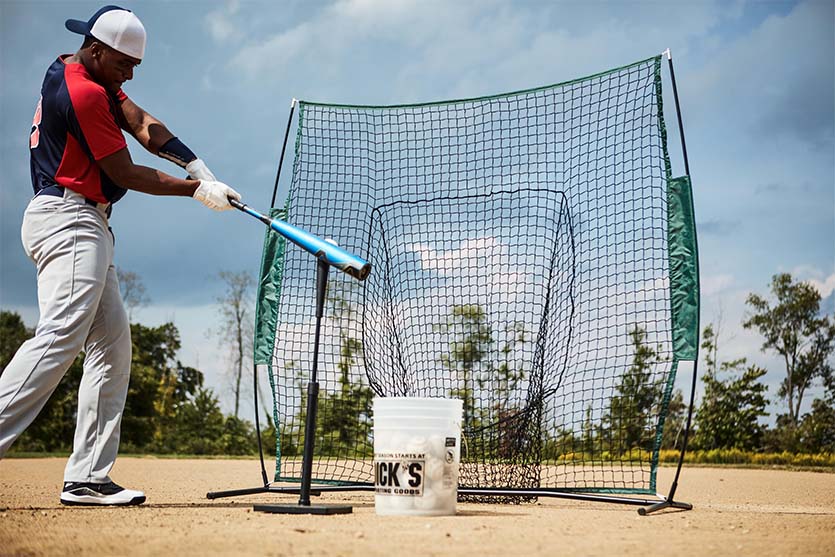
For any aspiring ballplayer, the secret to success on the field is often found in the hours of repetitive practice that take place away from the stadium. Whether you are a parent supporting a young athlete or an adult player looking to keep your skills sharp, a home Mound Yeti 2 Pitching Machine – Batting Cages Inc is one of the most effective tools for improvement. It eliminates the need for a bucket of balls and a wide-open field, allowing for high-volume hitting in a controlled environment. However, selecting the right cage involves more than just finding a net and a frame. To make a wise investment, you must consider space, material quality, and the specific needs of the player.
Evaluating Your Available Space and Environment
The first and most critical step in choosing a batting cage is conducting a thorough assessment of your property. Batting cages come in a wide variety of sizes, typically ranging from twenty to seventy feet in length. For a youth player, a shorter cage may suffice for fundamental drills, but high school and collegiate players generally require a cage that is at least fifty-five to seventy feet long to allow for a natural ball flight and to accommodate the distance of a regulation pitching machine. You must also consider the width and height of the structure. A standard width is twelve to fourteen feet, providing enough room for a batter to swing freely without feeling cramped or hitting the netting with the bat.
Beyond the physical dimensions, you must consider the ground surface. A level area is essential for both the stability of the frame and the safety of the player. If you are installing a cage on grass, be prepared for the turf to wear down over time due to heavy foot traffic in the batter’s box. Many homeowners choose to install a concrete pad or use specialized outdoor turf to create a more durable and professional practice surface. Additionally, take note of nearby obstacles such as power lines, overhanging trees, or neighbor’s windows. Proper placement ensures that your practice sessions remain safe and do not cause property damage or noise complaints.
Selecting the Right Frame Structure
Once you have chosen your netting, you need a frame to support it. Home batting cage frames generally fall into two categories: trapezoid frames and professional-style box frames. Trapezoid frames are often the preferred choice for residential backyards because they are easier to set up and usually more cost-effective. These frames use a series of poles and connectors to create a stable, angled structure that holds the net in place. They are relatively lightweight, which is helpful if you need to move the cage or take it down during the off-season.
Box frames, on the other hand, provide a more permanent and professional feel. These structures use heavy-duty steel tubing and are often anchored into the ground with concrete. A box frame allows the netting to hang straight down, maximizing the internal hitting space and preventing the net from sagging into the batter’s path. While more expensive and difficult to install, a box frame offers superior stability in high winds and can support heavier netting. For those who want the ultimate home setup, a commercial-style frame is the way to go, provided you have the budget and the permanent space to dedicate to it.
The Long-Term Value of Home Practice
Investing in a high-quality batting cage is an investment in an athlete’s future. The convenience of having a cage in the backyard means that a player can step out and take fifty swings in the time it would take to drive to a local facility. This ease of access encourages more frequent practice, which is the only way to build the muscle memory required for a high-level swing. While the initial cost of a premium net and frame may seem high, it often pays for itself over time by saving on facility rental fees and travel expenses.
When you take the time to choose the right materials and plan your layout carefully, your home batting cage becomes a sanctuary for improvement. It is a place where mistakes can be made and corrected without the pressure of a game environment. By focusing on durability, safety, and proper sizing, you ensure that your practice area remains a functional and enjoyable part of your home for many seasons to come. The right cage doesn’t just catch balls; it builds the confidence and skill necessary to succeed when the game is finally on the line.