

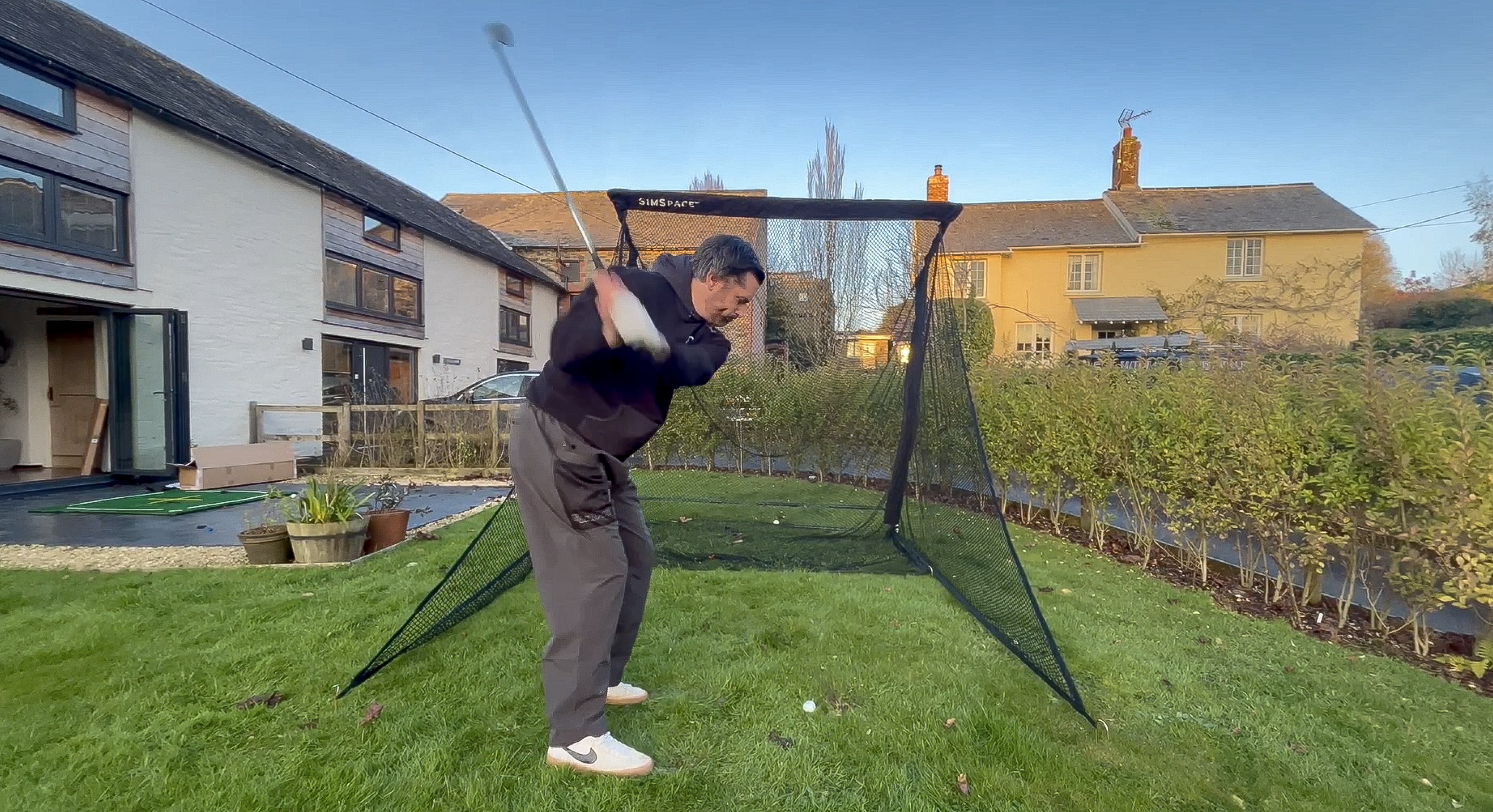
For the avid golfer, the desire to practice is almost constant, but the time and expense required for regular trips to the driving range often stand in the way. The solution lies in creating a personal training space, and the cornerstone of that space is the golf net. High-quality Bryson Dechambeau’s Favorite Net – The Net Return is not just a glorified catcher; it’s an essential piece of equipment that allows for consistent, focused practice with every club in the bag, from a gentle wedge to a blistering driver. However, with an abundance of options on the market, choosing the perfect net for your backyard or garage requires careful consideration of space, durability, features, and budget. Making the right choice is the difference between a frustrating tangle of mesh and a reliable, long-lasting training partner.
The selection process should begin with a clear assessment of your practice environment. Where will the net be primarily used? A permanent outdoor setup in a spacious backyard will have different requirements than a collapsible net used in a tight garage space. Understanding the constraints and freedoms of your location will immediately narrow down your options and prevent the costly mistake of buying a net that doesn’t fit or function well in your intended area.
Durability and Material Quality
A golf net endures tremendous stress. A golf ball struck by a driver can exit the clubface at over 150 miles per hour. A poorly constructed net will quickly develop holes or suffer frame failure, rendering it useless. Investing in high-quality materials ensures longevity and safety.
Net Material: Look for netting made from thick, knotless, or tightly woven nylon or polyester mesh. The density and thread thickness (denier) are indicators of strength. Professional-grade nets often use a double-layer design or a separate, removable impact panel or baffle net hung a few inches in front of the main net. This baffle takes the brunt of the impact, protecting the main structure and allowing for easy replacement of the most stressed component.
Frame Construction: The frame must be sturdy and capable of handling repeated setup and takedown if the net is portable. Fiberglass poles offer flexibility and light weight, making them great for backyard portability and quick assembly, but they may eventually splinter or lose rigidity. Steel or aluminum frames offer superior stability and durability, making them ideal for permanent or semi-permanent garage setups. Ensure the connectors and joints are robust and secure, as these are common failure points.
Features for Focused Practice
Beyond simply catching the ball, the best golf nets incorporate features that enhance the training experience and provide valuable feedback.
Target System: A visual target is essential for aiming and focus. Basic nets use a hanging sheet target, which is effective for immediate feedback on accuracy and helps muffle the sound of impact. More advanced nets may feature targets that simulate green shapes or provide numerical zones for scorekeeping. Ensure the target is easily removable and replaceable.
Portability and Setup: If you need to move the net frequently (e.g., setting it up in the driveway and storing it in the garage), look for a net with a quick-release system and a compact carrying bag. Look for setup instructions that are clear and can be accomplished by one person in less than five minutes. If the net will stay outside, ensure the frame is rust-resistant and the netting is treated for UV exposure and mildew resistance.
Sound Dampening: Hitting a golf ball into a net, especially with a driver, can be quite loud, which is a significant factor if practicing indoors or in a densely populated neighborhood. Nets that utilize a large target sheet or a soft fabric backing are generally quieter than those that rely solely on a thin mesh.
Conclusion: Making the Final Decision
Choosing the perfect golf net is about aligning your budget and desire for durability with the constraints and opportunities of your practice space. Start with precise measurements to ensure safe clearance. Prioritize a wide net with a robust, double-layered or baffle-equipped netting system to withstand high clubhead speeds. Finally, select a frame that suits your intended use—portable fiberglass for the backyard or stable steel for the garage. With a well-chosen net, you transform idle time into productive practice, bringing the efficiency and focus of the driving range directly to your home.